Why Minimalist Design is Premium: The Power of Less in SaaS and Beyond
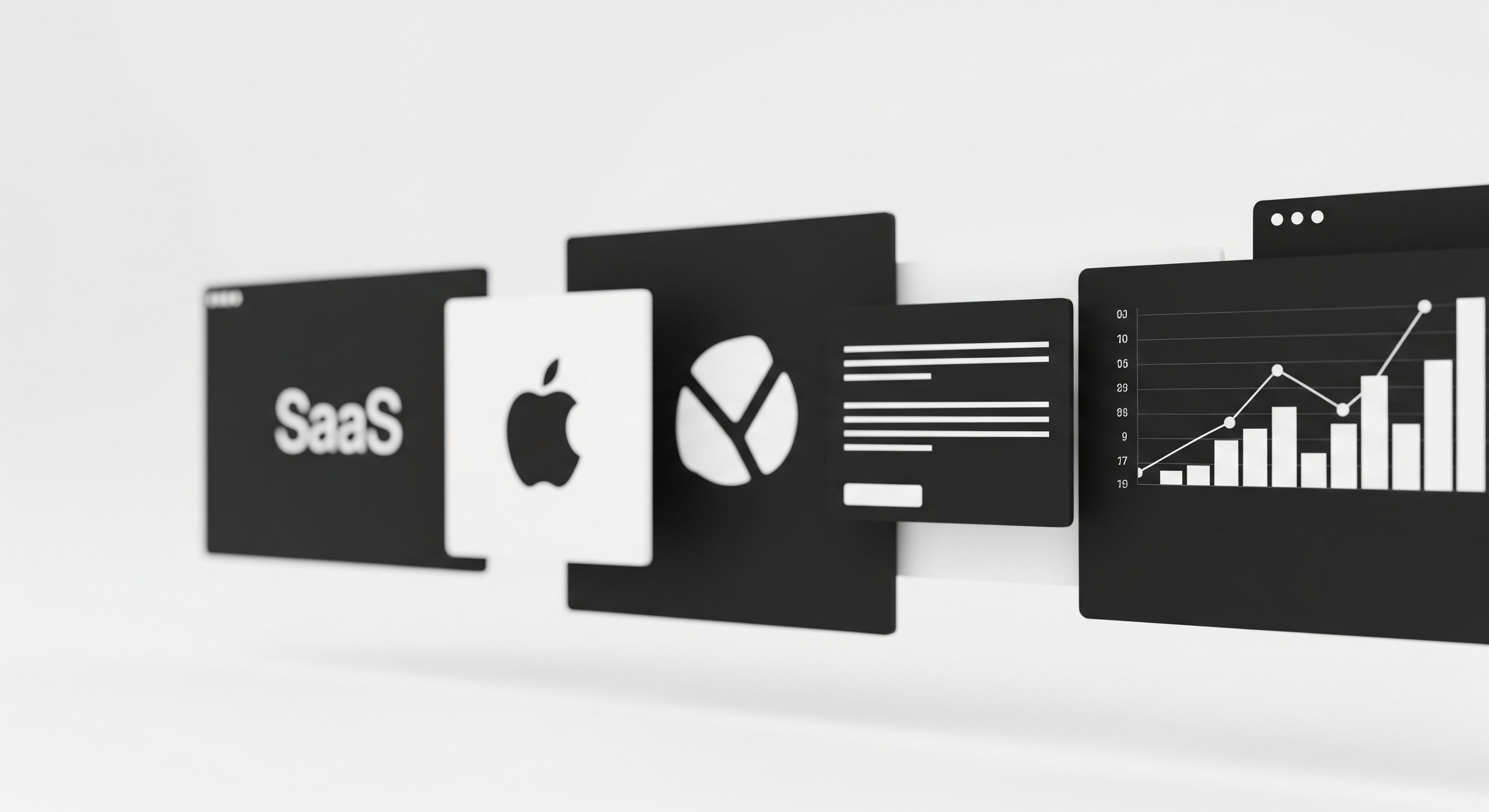
In a world that’s increasingly cluttered with information, notifications, and distractions, minimalist design has emerged as a powerful tool for creating premium experiences. What was once considered an artistic trend has now become a hallmark of premium brands across industries, particularly in the world of SaaS and tech. But why is minimalist design considered “premium,” and what makes it stand out as a symbol of sophistication and excellence?
In this article, we will explore why minimalist design has evolved into a mark of high quality and how it influences user experiences, brand perceptions, and overall satisfaction.
1. The Essence of Minimalism: Less is More
At its core, minimalist design is about stripping away the unnecessary. It is about focusing on the essentials: clean lines, ample white space, simple color palettes, and intuitive interfaces. The principle of "less is more" allows users to interact with a design without feeling overwhelmed.
Why it’s premium:
Minimalist design exudes a sense of clarity and purpose. A well-designed minimalist interface invites users to focus on the task at hand, reducing cognitive load. When there are fewer distractions, users can better engage with the content, leading to more seamless interactions and a more refined experience. This simplicity makes a design feel sophisticated and luxurious—qualities that are highly valued in premium brands.
2. Timeless Appeal: A Design That Ages Gracefully
One of the key reasons minimalist design has become synonymous with premium is its timeless quality. Unlike complex, feature-heavy designs that can quickly feel dated or clunky, minimalist design tends to age gracefully.
Why it’s premium:
Simplicity never goes out of style. Minimalist design is often built with an eye toward the future, emphasizing long-term usability and future-proof aesthetics. Whether it’s the simplicity of Apple’s product interfaces or the clean look of high-end SaaS platforms, minimalist design can stand the test of time, ensuring that your brand remains relevant and visually appealing for years to come.
3. Enhanced Usability: A Focus on Functionality
Minimalism doesn’t just refer to looks—it’s also about function. By eliminating unnecessary elements, designers can place a stronger emphasis on usability. When done right, minimalist design creates interfaces that are not only visually appealing but also highly functional.
Why it’s premium:
Premium design is about more than just beauty—it’s about delivering a high-performance experience. Minimalist interfaces make it easier for users to navigate, with fewer buttons, options, and elements competing for attention. This leads to faster task completion and a more enjoyable experience, which users tend to associate with higher-end products and services.
4. Increased Perceived Value: Simplicity as Luxury
In a consumer-driven world, perceived value plays a significant role in shaping buying decisions. Minimalism, in many ways, represents luxury. Luxury products often showcase refined simplicity—whether it's in the world of fashion, architecture, or design. This concept translates seamlessly to SaaS and tech design, where minimalist interfaces often signal a premium product.
Why it’s premium:
When users encounter a product with minimalist design, they often associate it with high-end brands. This association is rooted in the emotional appeal of simplicity—something that feels well-thought-out, efficient, and exclusive. A minimalist design communicates to the user that the product is carefully curated, offering a higher level of craftsmanship and value compared to more cluttered alternatives.
5. Better Brand Consistency and Identity
Minimalist design often focuses on a single, cohesive brand identity—using clean typography, a limited color palette, and consistent visual cues across platforms. This creates a strong brand presence, reinforcing the brand’s ethos and message.
Why it’s premium:
Premium brands often place great emphasis on brand identity and consistency. A minimalist design allows the brand to shine through without distractions. It ensures that every interaction with the brand—whether through an app, website, or product—feels unified and refined. This level of consistency is often seen as a mark of a high-quality, premium brand that values attention to detail.
6. Improving Focus on Content and Features
In minimalist design, there’s a deliberate focus on the most important content and features, with everything extraneous removed. This allows the core message or value proposition to shine through without distractions.
Why it’s premium:
Premium brands don’t waste time with superfluous details. Instead, they focus on delivering the most relevant and high-value information to the user. Minimalist design often highlights features that matter most, showcasing their best qualities. This curated approach ensures that customers receive the highest quality experience, aligning with their expectations of excellence and sophistication.
7. Faster Load Times and Optimal Performance
Minimalist design is often optimized for performance, with less heavy imagery, fewer animations, and a more streamlined layout. This not only improves load times but also enhances the overall performance of a website or app.
Why it’s premium:
A premium experience isn’t just about looks—it’s about how well a product performs. Minimalist design naturally contributes to faster load times and smoother interactions, which translates to better performance. When customers experience seamless functionality and speed, it elevates the brand’s perceived quality, reinforcing the idea that it is a premium product designed for efficiency and high performance.
8. Appeal to Modern Sensibilities
In an age where consumers are becoming more mindful of sustainability and minimalism in lifestyle, there’s a growing preference for products that reflect these values. Minimalist design, with its clean lines and efficient use of space, resonates with modern sensibilities focused on simplicity, sustainability, and functionality.
Why it’s premium:
Consumers today gravitate towards brands that reflect their values—whether it's through sustainable practices, ethical sourcing, or simply offering a minimalist aesthetic. When your product design aligns with these values, it fosters a stronger emotional connection with customers, making them more likely to view your brand as a premium choice.
Conclusion: The Power of Simplicity
Minimalist design is more than just a trend—it’s a powerful tool that enhances user experience, strengthens brand identity, and communicates premium value. By focusing on simplicity, efficiency, and clarity, brands can create products that not only look sophisticated but also offer a high-quality, seamless experience.
Whether you’re in SaaS, e-commerce, or any other industry, adopting minimalist design is a strategic move that positions your brand as a leader in the market—one that values the finer details and delivers an experience that feels premium through and through.